

Conference Planning: creating a major professional event
A conference is never just a gathering. It is an event eagerly anticipated by an entire profession, a moment of convergence where expertise comes together and a community finds its voice. Organizing a conference involves much more than flawless logistics: it involves the reputation of an institution and the quality of a shared experience.
Acmé works with companies, federations, professional associations, and institutions to design and execute custom conferences, from defining the scope of work through to the post-event review.
Understanding the challenges of a professional conference
The conference stands out from other formats due to its annual nature and the high standards of its attendees. These attendees return year after year, are familiar with the topics, assess the quality of the presentations, and compare one edition to the next. A successful conference becomes the definitive benchmark in its industry.
Whether scientific, medical, business-oriented, or institutional, a conference serves several purposes at once: to convey knowledge, share insights, bring a community together, and strengthen a brand’s positioning. The thematic program must meet specific expectations, while networking events—cocktail receptions, gala dinners, and evening gatherings—foster the informal connections that make these gatherings so valuable.
Every conference organization begins with the drafting of a detailed scope of work: strategic objectives, target audience, expected attendance, chosen format (plenary sessions, workshops, roundtables), projected budget, scheduling and geographical constraints, and success metrics. This framework aligns all stakeholders—the organizing committee, project manager, and service providers—around a shared vision.
Whether scientific, medical, business-oriented, or institutional, a conference serves several purposes at once: to disseminate knowledge, share insights, bring a community together, and strengthen a brand’s positioning. The thematic program must meet specific expectations, while networking events (cocktail receptions, gala dinners, and evening gatherings) foster the informal connections that make these gatherings so valuable.
Laying the Groundwork: Specifications and Strategy
The different types of conferences organized
-
Scientific and Medical Conference
Scientific or medical conferences bring together researchers, practitioners, and experts to discuss advancements in their field. The rigor of the program, the caliber of the speakers, and compliance with regulatory standards (particularly in the healthcare sector) require specialized support. Acmé handles the entire organization process, from coordinating the scientific committee to managing exhibitors and sponsors.
Ideal format:
500 to 5,000 attendees - 2 to 4 days
Convention center or exhibition hall
Plenary sessions, poster presentations, hands-on workshops, and a partner exhibition.
-
Corporate Conferences
A corporate conference brings together employees, partners, and key clients to focus on the company’s vision and goals. A highlight of internal and external communication, it combines speeches by senior leadership, collaborative workshops, feedback sessions, and moments of celebration. Organizing this type of conference incorporates a strong brand dimension, where every element—set design, storytelling, and experiences—embodies the company’s identity.
Ideal size: 200 to 2,000 participants
1 to 2 days
A prestigious venue or an exceptional hotel
Plenary sessions, workshops, gala evening.
-
Association and Federal Congress
Professional associations, labor unions, and other organizations regularly hold conferences that shape the landscape of their respective sectors. These recurring events, eagerly anticipated by members, must combine substantive content, general meetings, and opportunities for social interaction. Acmé supports these organizations in ensuring the long-term success of their conferences by working to enhance the quality of each event.
Ideal format:
300 to 3,000 participants
2 to 3 days
General Assembly, thematic conferences, networking, social program.
-
International Conference
Organizing an international conference adds another layer of complexity: multilingual management, travel and accommodation coordination, cultural adaptation of the program, and live streaming for remote participants. Acmé’s experience in international event management allows us to tackle these challenges with the necessary ease.
Ideal format:
Hybrid conference
Simultaneous interpretation
Digital platform
Schedule adapted to different time zones.
-
Hybrid and digital conference
The hybrid format has become an essential component of modern conferences. It allows organizers to expand their audience beyond in-person attendees, offer replays and on-demand content, and collect valuable engagement data. Acmé designs hybrid conferences where the digital experience is not merely an add-on, but an integral part of the event.
Ideal format: Dedicated streaming platform
Mobile app
Interactive online sessions
Post-event on-demand content
Designing the Program: “
” at the Heart of the Conference Experience
The program is the heart and soul of the conference. It is what attracts attendees, justifies the trip, and builds the event’s reputation from one edition to the next. Acmé supports organizers in reaching out to experts and thought leaders, managing calls for papers, and scheduling sessions, resulting in a program featuring cutting-edge expertise capable of satisfying an audience of specialists.
A major conference alternates between plenary sessions, small-group thematic workshops, roundtables, and keynote speeches. The schedule should allow for breaks, include opportunities for socializing, networking breaks, lunches, and team-building activities, and maintain engagement throughout the entire event, whether it lasts one day, two days, or longer.
Manage all operations on the day of the event
The reception of conference attendees is the first point of contact with the event. Acmé handles online registration, badges, signage, and on-site reception to ensure a smooth and comfortable experience from the moment attendees arrive. For international conferences, the agency also coordinates accommodations, transportation, and other logistical details.
Technical aspects: sound systems, video recording, live streaming for hybrid events, and stage design consistent with the institution’s identity. Meal times—including lunches, cocktail receptions, and gala dinners—are an integral part of the conference: it is often these informal moments that foster the most meaningful exchanges.
Expand the reach of "
" before, during, and after
Convention centers, exhibition halls, luxury hotels, unique venues: the choice of venue is just as critical to the comfort of attendees as it is to the event’s operational success. Key factors include flexible seating capacity, accessibility (public transportation, train stations, airports), technical facilities (sound systems, connectivity, streaming capabilities), and the quality of dining and exhibition spaces.
Acmé has a network of carefully selected venues in Paris , throughout France, and internationally. This“venue finding”process allows event organizers to focus on content and strategy.
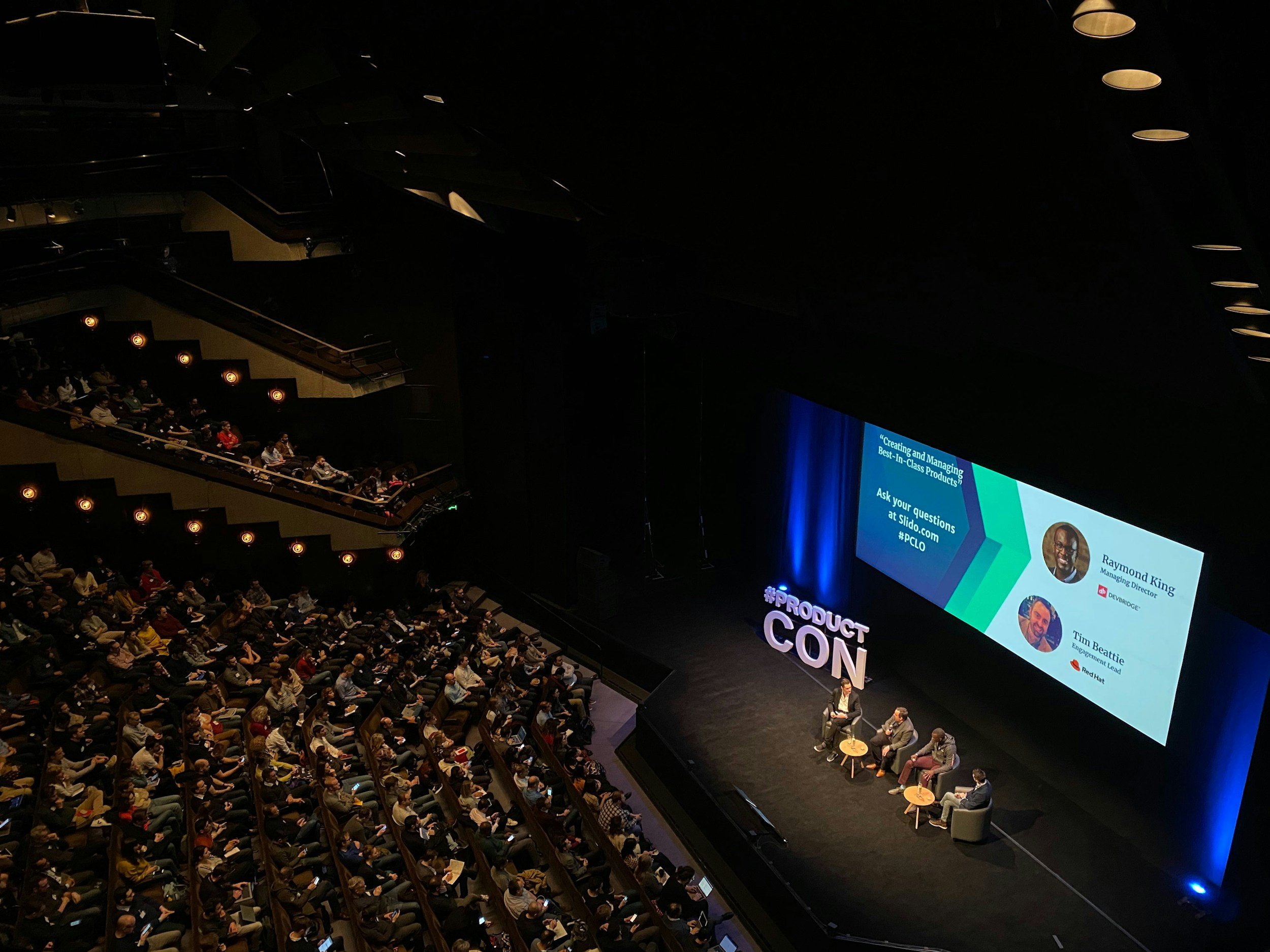
Why entrust the organization of your conference to an agency like Acmé?
A customized approach, never a one-size-fits-all solution
No two conferences are alike, because no two institutions are alike. Each event is designed with the identity and culture of the hosting organization in mind. It is this unique approach that gives each conference its special character.
A dedicated project manager, from design to completion
As the sole point of contact for the organizing committee, he manages the reverse schedule, coordinates service providers, oversees implementation, and monitors the budget.
Creative excellence in the service of meaning
Acmé's creative studio specializes in set design, visual identity, storytelling, and event direction, transforming professional gatherings into experiences that define a brand’s identity.
Comprehensive support, both in France and internationally
Whether in Paris, the surrounding region, or abroad, the conference benefits from the same high standards thanks to Acmé’s network of trusted service providers.
's FAQs on Organizing a Conference
-
Typically 6 to 18 months, depending on the scope, complexity of the program, and choice of venue. For a recurring conference, preparations for the next edition often begin the very day after the current one ends.
-
The conference stands out for its regularity, scale, and industry-specific focus: it brings together a professional community around a comprehensive thematic program. The corporate seminar is a smaller, internal event focused on training or team building. The convention is a large corporate gathering, often centered on the company’s vision. Acmé supports all three formats.
-
Several complementary metrics: attendance and satisfaction rates, perceived program quality, digital engagement (social media, event app, streaming), media coverage, and the ability to retain attendees from one edition to the next.
-
The hybrid format (in-person and digital) has become the norm, particularly on an international scale. It allows organizers to reach a wider audience, offer on-demand replays, and maximize return on investment. Acmé designs comprehensive hybrid solutions, including streaming platforms, mobile apps, interactive sessions, and engagement data analysis.