

Hosting a Client Event: Creating a Moment That Strengthens Relationships
Acmé Paris organizes custom client events for companies looking to strengthen their business relationships and build loyalty among their key clients. A corporate client event is not the same as a staff party: the guests are external, the focus is on relationships and business, and the standards expected are the same ones your clients apply to your brand. Every decision—from choosing the venue to compiling the guest list—sends a message to stakeholders who are constantly evaluating you. That’s why we design every client event as a business development tool in its own right, not as an internal event dressed up in a different guise.
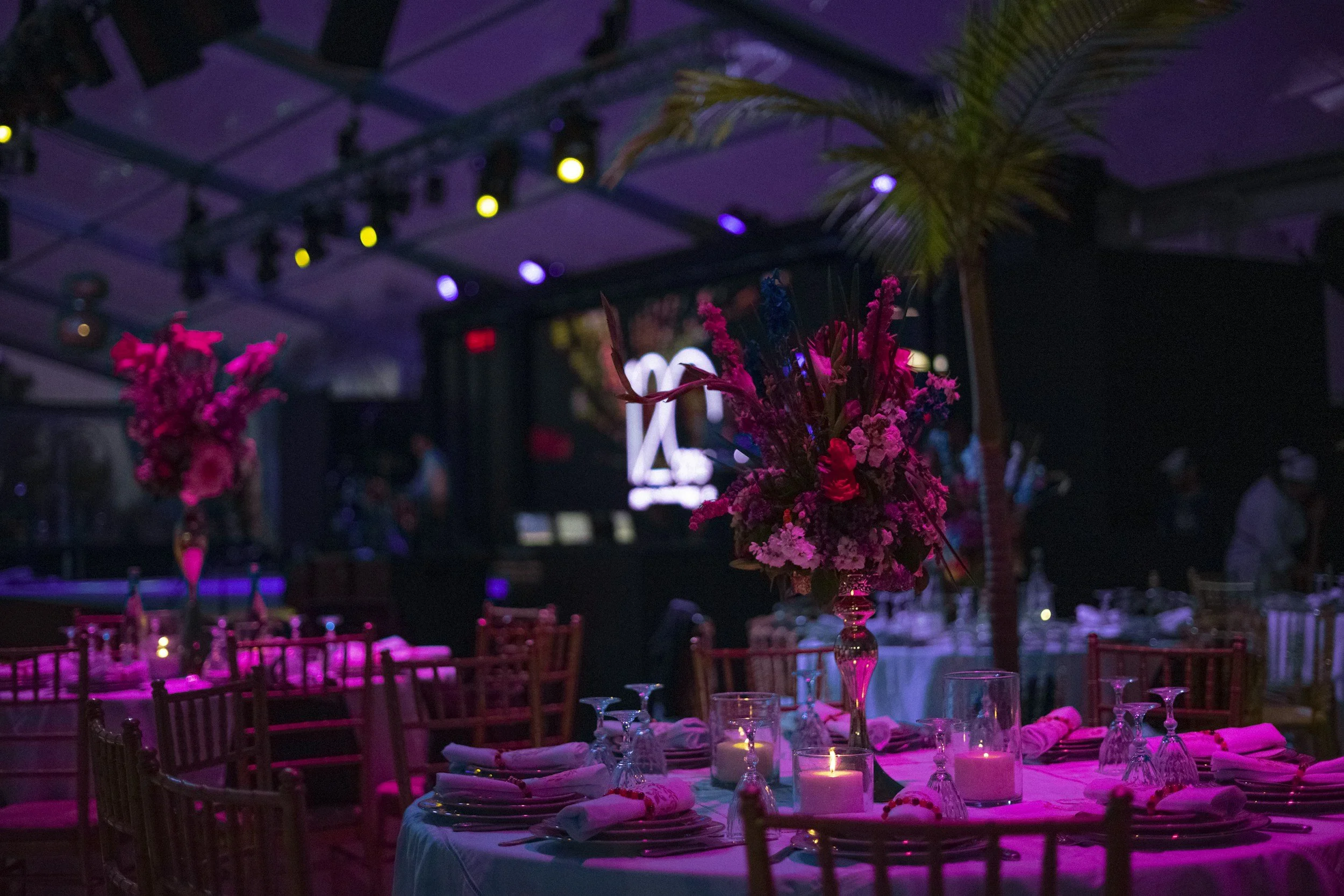
The Client Evening: A Sales Tool in Its Own Right
A well-planned client event is not a gift to your clients. It is an investment in a business relationship. It creates the conditions for an informal, sincere, and memorable exchange that typical business meetings do not allow for. In a context where retaining a client costs five times less than acquiring a new one, every moment spent with a key client in a carefully curated setting has direct business value.
The objectives of a client event are specific and measurable. To thank loyal clients outside of a transactional context. To strengthen a relationship during negotiations by building a personal connection before a decision is made. To prospect in an informal setting by inviting qualified prospects alongside satisfied customers. To mark a partnership anniversary with a gesture that reflects the importance of the relationship. To present a new product or offering to key customers before the official launch. Each objective calls for a different format, a different guest list, and a different level of service.
The ROI of a client event can be measured in concrete terms. The most relevant metrics are the attendance rate of targeted accounts, the number of sales opportunities generated within three months of the event, the NPS or immediate post-event satisfaction scores, the 12-month retention rate of invited clients, and the value of contracts signed or renewed within six months. These metrics cannot be improvised: they must be defined before the event, and certain elements of the program can be designed to facilitate their collection. Acmé Paris incorporates this aspect from the very beginning of the project planning phase.
The types of client events we organize
-
Small-group client dinners (15 to 50 people)
This is the most effective format for high-value relationships. An intimate, elegant setting, a table d’hôte meal or a gourmet dinner, and a conversation guided by a subtle theme—all of these elements come together to create a moment of genuine connection with strategic partners. This format is ideal for thanking key accounts, strengthening a relationship during negotiations, or celebrating an important partnership anniversary.
It’s also the setting where every detail matters most. With 20 or 30 people gathered around a table, nothing goes unnoticed: the quality of service, the wine selection, the flow of conversation, and the way guests are seated. Acmé Paris manages these details with the same rigor as a large-scale event, because they are what make all the difference in how your brand is perceived.
-
Client Cocktail Reception (50 to 200 people)
A cocktail reception is a more open-concept event that encourages informal interactions and networking among guests. With a larger venue, light musical entertainment, and thoughtfully curated food stations, the setting encourages guests to mingle and engage in spontaneous conversations. This format is well-suited for larger-scale customer loyalty events, networking evenings with a mix of clients and partners, or product launches that combine a presentation with a social gathering.
The challenge with this format is to maintain a high level of perceived quality despite the larger guest count. A successful cocktail reception for 150 guests isn’t just a buffet in a large room—it’s a space designed so that every guest feels welcome and at ease, with food and drink that live up to expectations and entertainment that sets the mood without overshadowing conversations.
-
VIP Client Evening with an Exclusive Experience
This is the premium package for a select group of strategic clients, ranging from 10 to 30 people. An exceptional, private venue; a one-of-a-kind experience that your clients couldn’t have anywhere else; and fully personalized service: the goal is to create a memorable and distinctive experience that clients will associate with your brand for years to come.
The experiences we include in this format vary depending on the guests’ profiles and the brand’s identity: a private tasting with a renowned sommelier, an exclusive tour of an artisan’s workshop, a cooking class with a Michelin-starred chef, or access to a venue normally closed to the public. It’s not the most common format, but it’s often the one that guests are still talking about a year later. For high-value relationships, it’s an investment that’s well worth it.
-
Product Launch Event with Customers and Partners
This hybrid format combines a presentation segment with a social gathering. It allows you to showcase a new product or offering in a festive and memorable setting, rather than in a conference room. A short, impactful presentation is followed by a cocktail reception or dinner that fosters informal discussions about the product: your clients leave with an experience, not just a brochure.
This format is particularly well-suited for B2B launches, brand repositioning, or the introduction of new offerings to key clients. It also allows you to gauge immediate reactions in a supportive setting before a broader rollout.
What Makes a Successful Client Event
-
The venue says something about your brand even before the evening begins. A run-of-the-mill venue sends a run-of-the-mill message. A well-chosen venue, consistent with your brand positioning, tells your guests that they matter and that you’ve put thought into this moment for them.
Acmé Paris selects venues that align with the brand’s positioning and the guests’ profile. For a small-group client dinner: a private gourmet restaurant, a private mansion, or a historic wine cellar. For a cocktail reception: a unique and exclusive venue, a rooftop with a view, or a private cultural venue. For a VIP event: a venue that’s normally off-limits, which immediately creates a sense of exclusivity. The venue isn’t just a backdrop—it’s the first element of your value proposition for the evening.
-
A successful client event has internal coherence. The venue, catering, entertainment, and speeches all come together as a whole. It isn’t necessary to have a specific theme; what’s needed is a clear purpose that structures the experience from start to finish.
Here are a few concrete examples: an evening celebrating French craftsmanship for a luxury brand, featuring a hands-on workshop and a meal prepared by local producers. A gourmet dinner for a consulting firm, featuring a guest chef and a set menu designed to foster conversation. An innovation event for a tech company, featuring an immersive experience and a product presentation integrated into the program. In each case, the overarching theme is subtle yet noticeable: it gives the event its own distinct identity that your clients will remember.
-
The guest list is a strategic choice, not just a list of contacts to copy from the CRM. Who to invite, what proportion of active clients, qualified prospects, and partners to include, and how to facilitate interactions without forcing them—these decisions have a direct impact on the quality of the evening’s interactions.
Acmé Paris provides guidance on the guest list from the very beginning of the planning process. We then manage the reception, seating arrangements, and guest flow to ensure that every guest feels welcome and at ease from the moment they arrive. A guest who waits ten minutes at the entrance or doesn’t know where to go already has a negative impression before even taking a sip of their first drink. These logistical details go unnoticed when they run smoothly, but are very noticeable when they go wrong.
-
A client event without follow-up is a missed business opportunity. The event creates a favorable environment; it’s afterward that it translates into concrete results. Acmé Paris can incorporate elements into the program that facilitate this follow-up: a souvenir photo sent the next day with a personalized message, a thank-you note signed by the CEO, and a summary of key discussions shared with the sales teams to help them prepare follow-up efforts.
The ROI of a client event is also—and sometimes especially—built in the weeks that follow. A client who receives thoughtful attention the day after a memorable dinner is a client who will remember your brand when it’s time to renew their contract.

Our Support, from A to Z
Acmé Paris handles every aspect of organizing your client event. A single point of contact, a structured approach, and on-site support on the day of the event.
What we handle for you:
Strategic Framework: Business Objectives, Guest Profile, Budget, Date, and Specific Constraints
Selection and Privatization of the Site: Research, Site Visits, Negotiations, and Contractual Arrangements
Concept and program design: overarching theme, evening schedule, potential speeches
Selection and coordination of service providers: caterer, sound and lighting crew, client event entertainment, photographer, security, transportation
Management of invitations and guest logistics: sending invitations, tracking RSVPs, welcoming guests, and seating them on the evening of the event
An Acmé project manager will be on site on the evening of Event Day: real-time coordination, handling of unexpected issues—leaving you free to focus on your guests
Post-event follow-up items: souvenir photo, personalized note, summary of discussions for the sales teams
Acmé Paris organizes client events in Paris and in major French cities. For each location, we draw on our local network of venues and service providers to ensure the same high standards.
Client events in Paris and throughout France
-
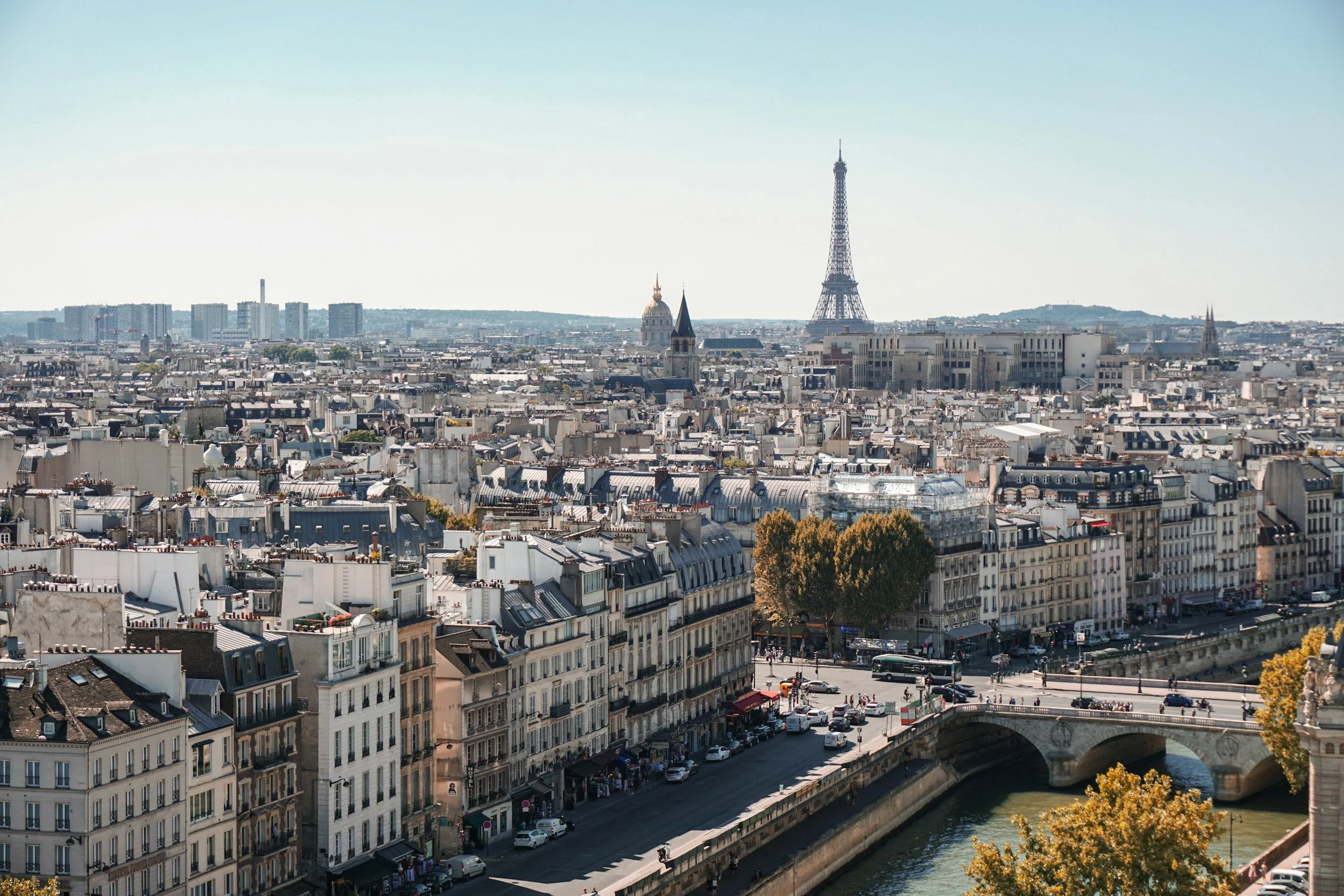
Paris
Our main area of operation. For a small-group client dinner: gourmet restaurants in the 8th arrondissement that can be reserved for private events, private mansions in the Marais, and private clubs. For a cocktail reception or VIP event: private contemporary art spaces, rooftops with views of Paris, and unique venues off the beaten path.
-
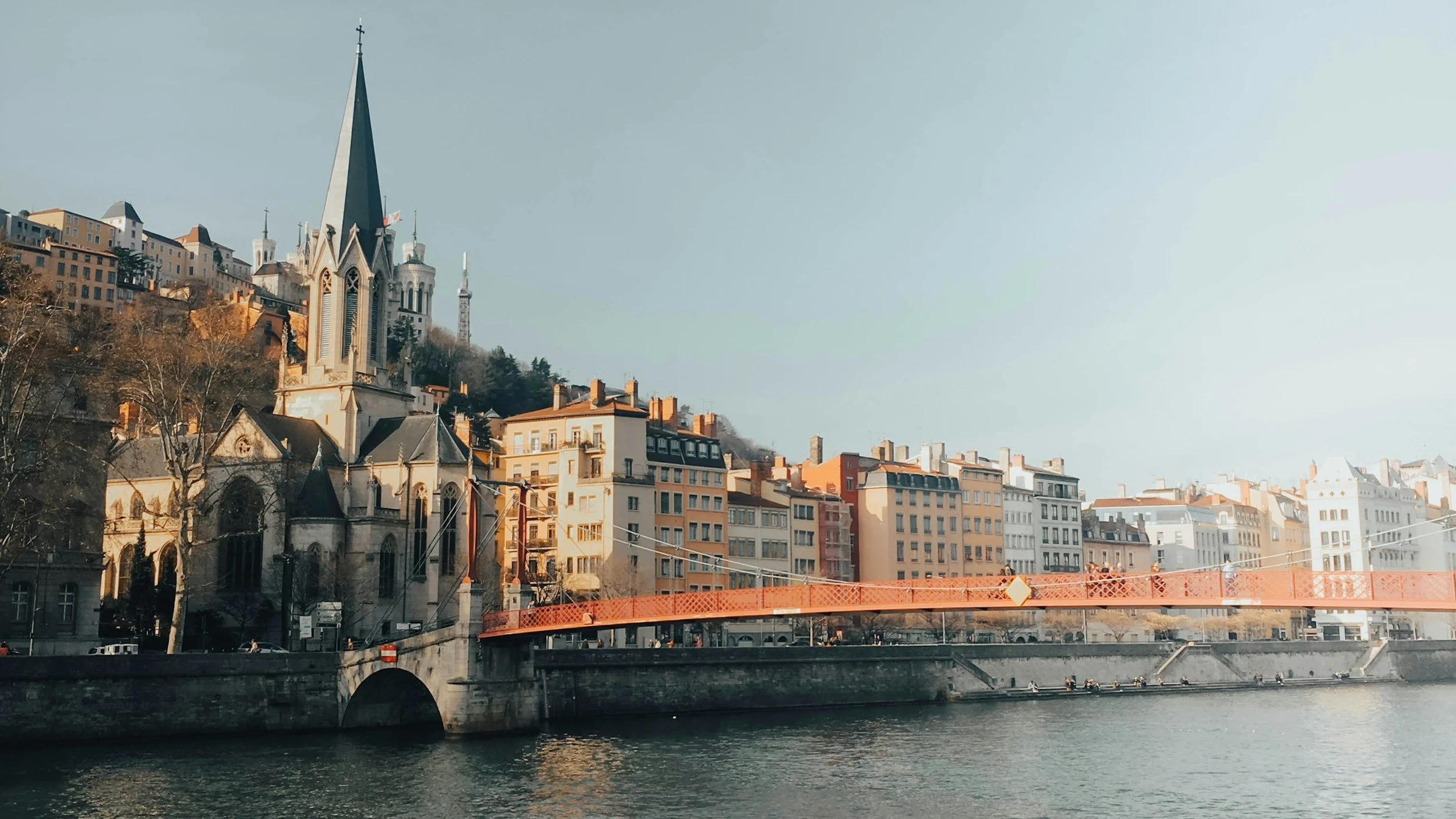
Lyon
France’s second-largest culinary capital. Michelin-starred restaurants that can be reserved exclusively for high-value client dinners, wine cellars in the Croix-Rousse district for an intimate, locally rooted experience, and estates on the outskirts for residential events or launch parties.
-
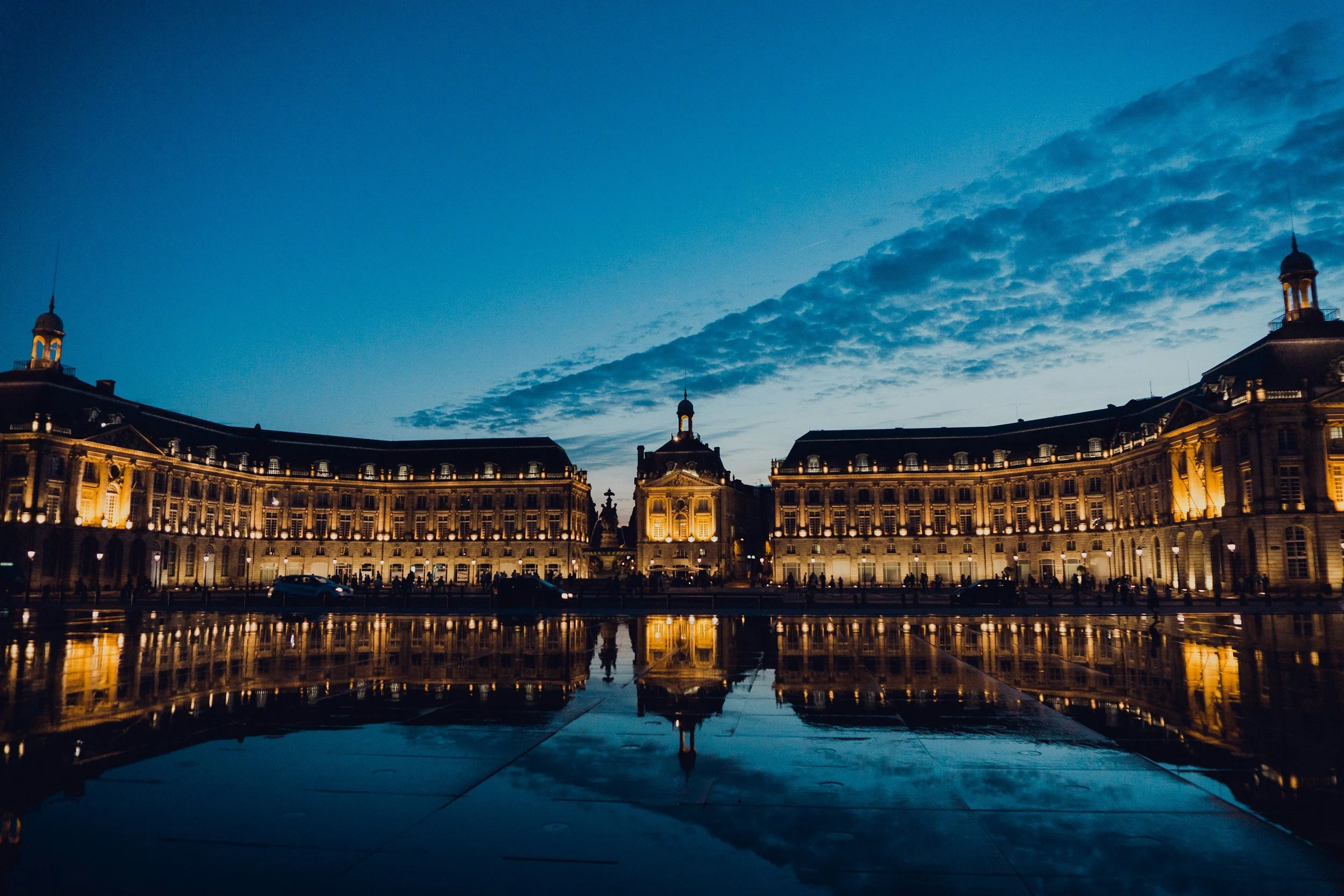
Bordeaux
Wine châteaux for VIP client events featuring exclusive wine experiences; private mansions in the Chartrons district for intimate dinners in a refined architectural setting; and wine merchants’ cellars for private tastings.
-
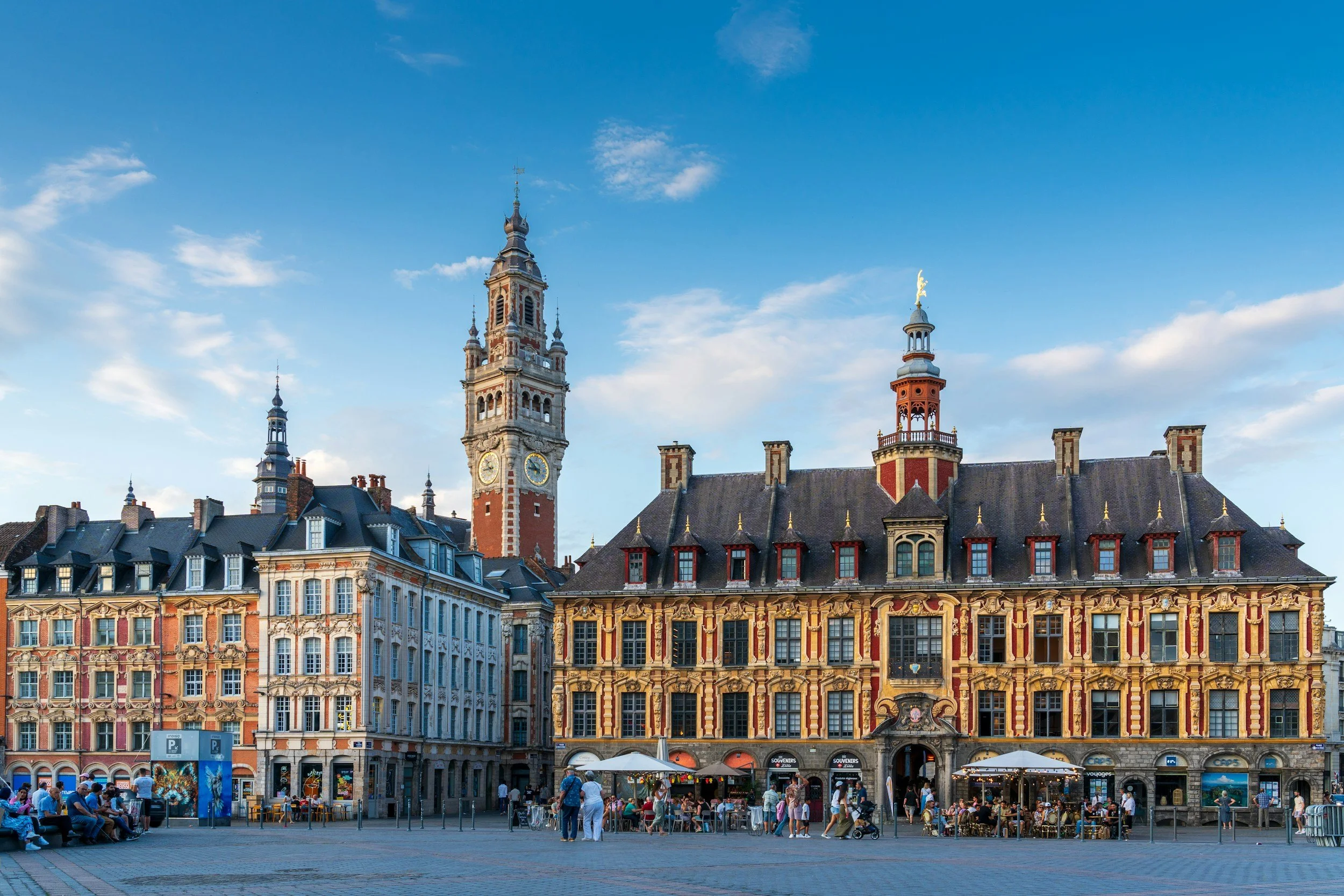
Lille
Stylish lofts for client cocktail receptions in a contemporary setting; historic brasseries reserved exclusively for client dinners with a strong local identity; cultural venues for product launch events with a creative flair.
-
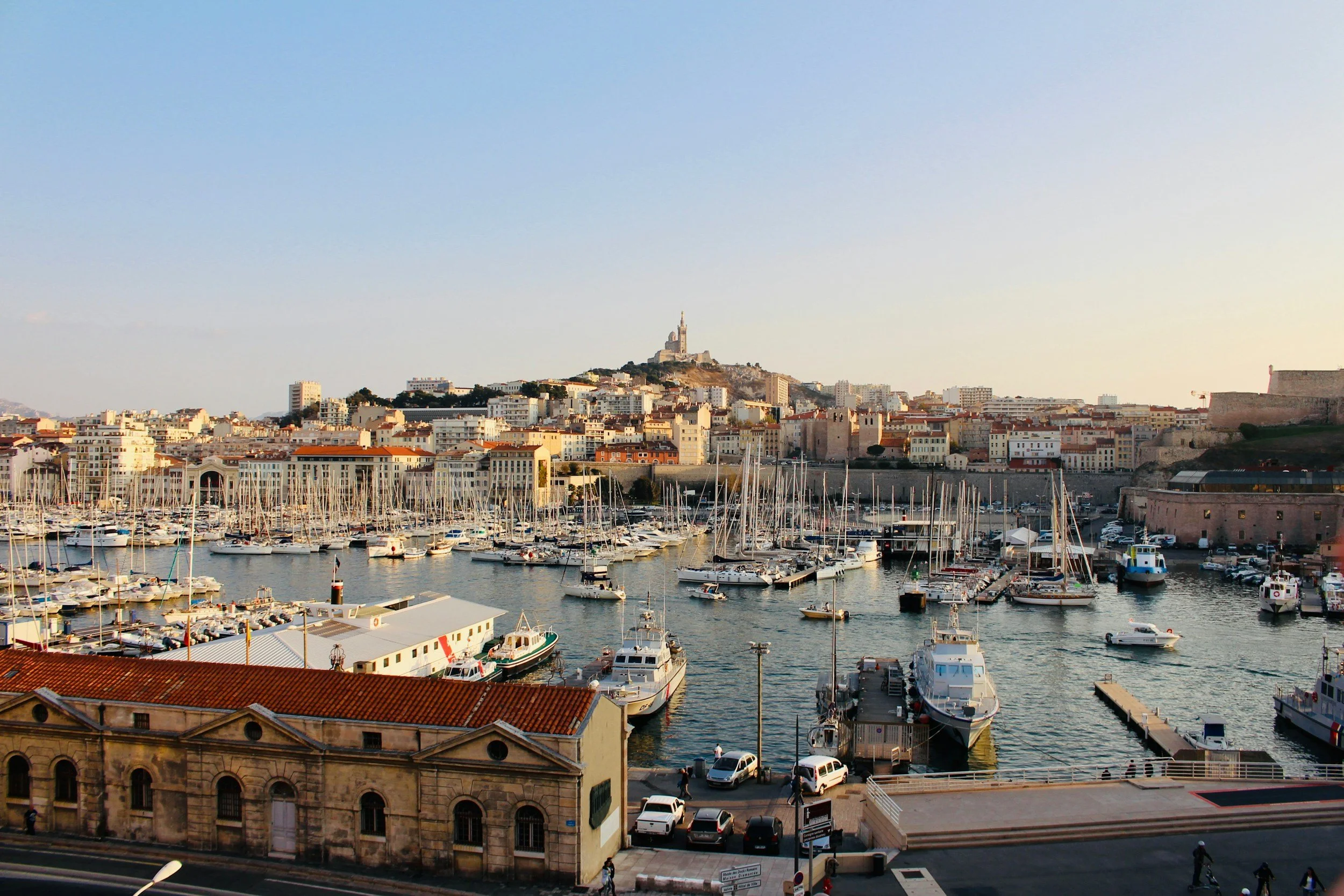
Marseille
Villas with ocean views for small, exclusive VIP client gatherings in an exceptional setting; restaurants along the Corniche for gourmet dinners with panoramic views; and premium harbor venues for large-scale cocktail receptions.
Frequently Asked Questions About Organizing a Client Event
-
A client event is intended for external guests: current clients, qualified prospects, and strategic partners. The goal is both sales-oriented and relationship-building: to build loyalty, generate leads, strengthen ties, and mark a milestone in a business relationship. A corporate event is intended for employees: the goal is HR-focused, centered on team cohesion, motivation, and internal celebration.
The formats, venues, service levels, and budgets vary. A client event requires a level of excellence that matches what your clients expect from your brand. An employee event meets different criteria, tied to corporate culture and team expectations. Acmé Paris designs both, using distinct approaches and methods tailored to each context.
-
The budget depends on the format, the size of the group, and the profile of the guests. The profile of the guests is also a key factor. An event for 20 key account clients warrants a higher per-person budget than a networking cocktail party for 150 partners. The investment must be proportional to the value of the relationship and the intended business objective.
-
It depends on the objective. For building strong relationships, retaining key accounts, or strengthening an ongoing negotiation: 15 to 50 people maximum. The quality of interactions is directly related to the size of the group. For the purpose of raising visibility or hosting a larger-scale networking event: 50 to 200 people. With more than 200 guests, the event loses its focus on building relationships and becomes more like a promotional event than a tool for building loyalty.
Acmé Paris provides guidance on the optimal group composition based on the objective: the proportion of active clients, prospects, and partners; a balance among participants at the same hierarchical level; and the identification of profiles that facilitate communication.
-
Several metrics can be used to measure the business impact of a client event. In the short term: the attendance rate of targeted guests and satisfaction feedback collected immediately after the event (NPS or quick survey). In the medium term: the number of business opportunities generated within three months of the event, and meetings scheduled directly after the event. In the long term: the retention rate of invited clients after twelve months and the value of contracts signed or renewed within six months.
These metrics can’t be improvised. They are defined before the event, in line with the sales objectives set during the planning phase. Acmé Paris can incorporate concrete metrics into the program: an immediate satisfaction survey sent the next day, a souvenir photo with a QR code for feedback, and a summary of the discussions shared with the sales teams to help structure follow-ups.